
According to Indian officials, both the sides have had "fruitful consultations" regarding elimination of tariffs on 90-95 per cent of goods, but the EU's insistence on including non-trade issues, such as child labour, labour laws and climate change, in the trade pact are coming in the way of concluding an agreement.
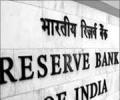
The central bank may classify them as foreign-owned Indian banks.
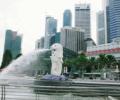
Notwithstanding the widespread protest against the proliferation of special economic zones in the country, the Ministry of Commerce and Industry is organising a seminar on the tax-free conclaves in Singapore on Wednesday in order to rope in global investors.

New foreign trade policy likely by May.

Although India's exports have started growing again after several months of decline, commerce ministry sources told Business Standard that the extension is being considered to sustain growth and stabilise it at 15 to 20 per cent.

Another roadblock to be removed from FDI path; Load on insurance chest.

One of the most favoured duty reimbursement schemes among exporters - the Duty Entitlement Passbook (DEPB) scheme - is likely to be scrapped, as the government gears up to introduce the Goods and Services Tax (GST) from April 1.
The revised bill will give statutory powers to interim regulator Pension Fund Regulatory and Development Authority to make it on par with other financial regulators -- Securities and Exchange Board of India, Reserve Bank of India and IRDA.
Divestment of public sector companies gathered steam in the first year of UPA-II that saw two PSUs-- Oil India and NHPC-- raising around Rs 8,600 crore (Rs 86 billion) from IPOs and the way was cleared for divestment in three more state-run power companies in the new year.

Although the country's leading gems and jewellery traders, dealers and exporters are ready to grab a significant portion of the $25-billion market, key changes are required in the country's Income Tax Act and Customs Act.

Oil share declines to 9.35 per cent in April-September from 17.23 per cent in the same period of last year.

India has attracted investment worth $1.6 billion for projects in the fields of power, steel, construction and engineering special economic zones from Japanese companies.
The Hinduja Group chairman, who was in Davos to participate in the World Economic Forum, however, noted that the incident might not have much impact on the reputation of India Inc in the eyes of foreigners, who are more used to such scams. Raju's confession not only shocked India Inc, but investors all over the world. Such type of wrongdoings are more prevalent in the western world and foreigners are used to this kind of happenings, Hinduja said.
India has exuded optimism that it would continue to maintain economic growth rate of 7-7.5 per cent next fiscal, the same level it is expected to register in the current fiscal, even as its neighbour China termed its lower growth projection of 8 per cent in 2009 as a tall order.
Under attack from the international community for not reining in terrorist outfits, Pakistan on Thursday said that it will not allow use of its territory for terror activities."I assure you and I assure the House that I will never ever allow my soil, Pakistani soil to be used for terror activities," Pakistan Prime Minister Yousuf Raza Gilani said at the World Economic Forum in Davos.Terming the Mumbai incident as 'unfortunate', Gilani said, "We condemn terrorism."
India continued to be on a high growth path in 2007, although the pace was slightly moderated due to curbs on money supply to check inflation.
Though SEBI adopted many other measures in 2007 to streamline the capital markets, it was its decision on P-notes, which gave a jolt to the capital market and evoked extreme reactions both in favour and against the move.
 © 2026 Rediff.com - Investor Information - Advertise with us - Disclaimer - Privacy Policy - Sitemap - Feedback - About us - Terms of use - Grievances